How to Clean 1 oz Silver Coins: Why You Probably Shouldn’t (Expert Guide)
Look, I get it. You just bought some 1 oz Silver Coins, and they look a bit dull. Maybe there’s a dark spot or some cloudy haze on the surface. Your first thought is probably to grab a cloth and polish them up until they shine like a mirror. Please, hold that thought! While making your silver sparkle may feel like the right thing to do, it is actually a massive mistake that can destroy the value of your coins. In this guide, I’m going to show you why most collectors stay far away from cleaning their stash and how you can look after your metal the right way without causing damage.
Why Cleaning Your Silver Coins Can Cost You Money
It sounds backward, right? Why would a clean coin be worth less than a dirty one? Well, in the world of precious metals, looks can be deceiving.
Numismatic Value vs. Melt Value
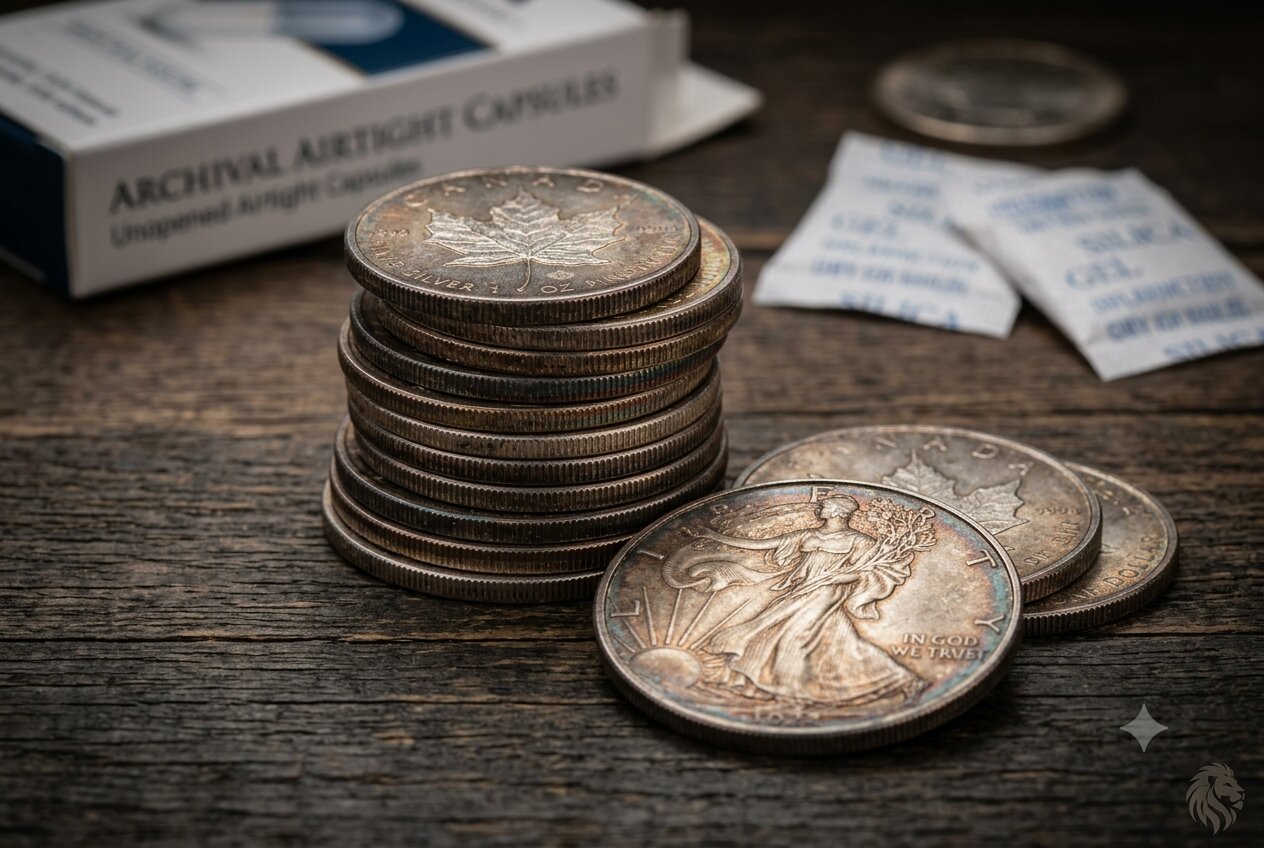
Some coins aren’t just worth the silver inside them; they have “numismatic value,” which means collectors pay extra because the coin is rare or historically important. Part of that history is the patina. That’s the natural, dark coloring that builds up on silver over time. It’s like a badge of honor. When you strip that off, you’re wiping away the history that collectors are actually paying for. You end up with nothing but the “melt value,” which is just the price of the raw silver.
The Problem with Micro-Scratches
Silver is surprisingly soft. If you take a cloth, even a soft one, and rub it against the surface, you are likely creating thousands of tiny micro-scratches. You might not see them with the naked eye, but under a dealer’s magnifying glass, they are plain as day. These scratches instantly turn a high-grade coin into a low-grade one.
Chemical Damage
You might have seen videos online suggesting silver dips or home remedies. Stay away! Most chemical cleaners are way too harsh. They strip the top layer of the metal, leaving it looking dull, streaky, or “flat.” Once a coin has been chemically cleaned, it’s usually ruined for any serious buyer.
When is it Actually Okay to Clean 1 oz Silver Coins?
Is there ever a time to clean them? Well, it depends on what you have.
There is a big difference between a collector coin, which should never be touched, and generic bullion. If you bought a common silver round that was already heavily damaged, scratched, or just meant to be kept for its weight in silver, the rules aren’t quite as strict. In these cases, you aren’t really losing “collector value” because it wasn’t there to begin with. Still, even with generic stuff, I always suggest leaving them alone if you can.
The “Only” Acceptable Way to Clean Silver Coins (If You Must)
If you have a generic piece that is covered in sticky residue or something that genuinely needs to go, you need to be extremely careful. I’m telling you this as a warning: you do this at your own risk.
The Soap & Water Method
If you really have to clean a 1 of silver coin, do not use chemicals. Use this simple, gentle method:
- Step 1: Get some distilled water and a few drops of mild, phosphate-free dish soap. Using tap water is a no-go because it has minerals that can spot your silver.
- Step 2: Gently dip the coin into the soapy mix for a few seconds. Never rub or scrub the surface.
- Step 3: Rinse it off with fresh distilled water.
- Step 4: Pat it dry with a soft microfiber cloth. Do not wipe it back and forth; just gently dab the water off.
Crucial Rule: Never Use Household Junk
Never, ever use things like toothpaste, baking soda, or vinegar. These are abrasive. Using them is basically like taking sandpaper to your investment.
Better Than Cleaning: Professional Preservation Tips
Since cleaning is so risky, the best strategy is preservation. You want to stop the tarnish from getting there in the first place.
Storage Basics
- Airtight Capsules: The best way to keep silver looking great is to put it in an airtight plastic capsule as soon as you get it. This stops air and moisture from touching the surface.
- Climate Control: Keep your stack in a cool, dry place. Silver hates high humidity.
- Silica Gel: Throw a few silica gel packets into your safe or your storage box. These absorb moisture in the air, keeping your silver dry.
| Method | Safety Level | Impact on Value |
| Harsh Dips | Very Low | High Damage |
| Toothpaste/Soda | Zero | High Damage |
| Distilled Water | Medium | Minimal |
| Airtight Capsule | High | Best Protection |
Frequently Asked Questions (FAQ)
1. Will cleaning silver coins ruin their value?
Yes, almost always. Cleaning removes the natural toning and adds surface scratches, which causes dealers to lower the price they will pay you.
2. Can I use toothpaste to clean silver?
No way. Toothpaste is full of tiny particles that scratch the surface of your bullion. It will leave your coin looking dull and damaged.
3. Does tarnish mean my silver is fake?
Not at all. In fact, tarnish is proof that your silver is real! Silver reacts with sulfur and air, causing oxidation. Most fakes are made of cheaper metals that don’t tarnish as real silver does.
4. What should I do about “milk spots”?
Milk spots are a manufacturing issue common with some mints. They aren’t a sign of bad storage, and there is really no safe way to remove them. It is best to just accept them as part of the coin.
5. How should I store my collection to prevent tarnish?
Store your items in individual capsules, keep them in a low-humidity place, and use moisture absorbers like silica gel to keep the air inside your safe dry.
Conclusion
At the end of the day, your goal is to protect your money. Cleaning your silver might make it look nice for a few days, but you are likely stripping away value that you won’t get back. Focus on buying quality, storing your 1 oz Silver Coins in airtight containers, and keeping them dry. If you are worried about whether your coins are real, do not try to “clean” them to see markings; instead, learn the proper weight and size tests. Let your silver age naturally; that beautiful look is exactly what a real investor wants to see.
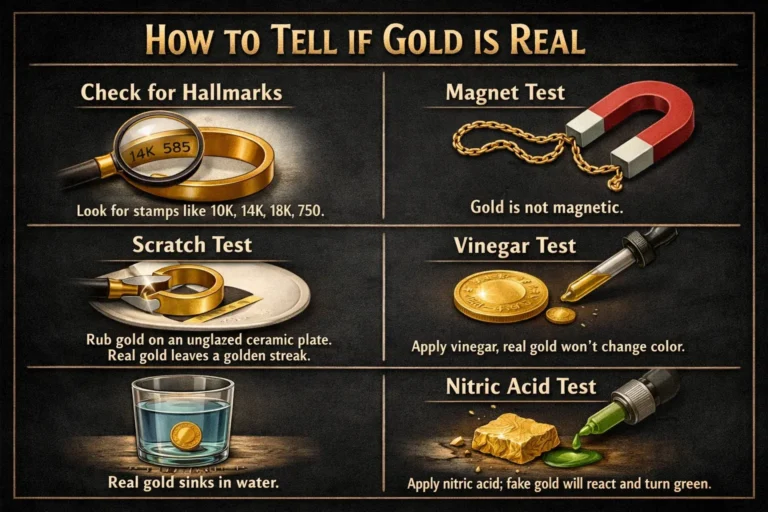
If you are also concerned about the purity of your other precious metals, be sure to read our guide on [how to test fake gold at home] to ensure your entire collection is genuine before you try any cleaning methods.