White Gold: The Complete Guide to This Precious Metal (2026)

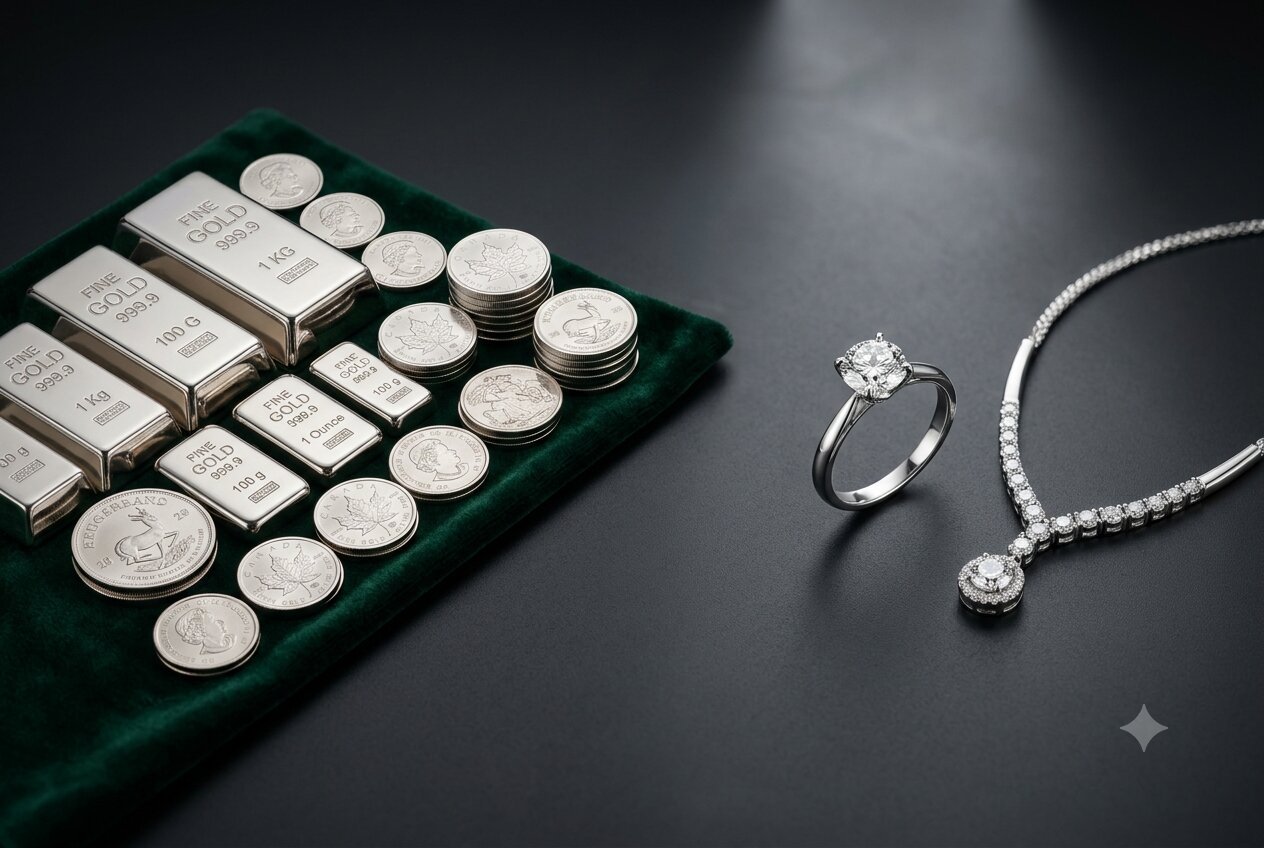
White gold is a metal alloy made by combining pure gold with white metals like palladium, nickel, or silver, then often coating it with rhodium for extra shine and durability. It’s a popular, affordable alternative to platinum for jewelry, especially engagement rings and wedding bands.
What Is White Gold, Exactly?
White gold isn’t a naturally occurring metal. Pure gold is naturally yellow, so jewelers create white gold by mixing 24-karat gold with white alloy metals.
The most common alloying metals include:
- Palladium – hypoallergenic, premium option
- Nickel – affordable but can trigger allergies
- Silver – adds brightness but less durability
- Zinc – used in smaller quantities for strength
Most white gold jewelry also receives a rhodium plating, a member of the platinum family, which gives it that signature bright, reflective white finish.
White Gold Karat Purity Explained
Just like yellow gold, white gold purity is measured in karats. Here’s a quick breakdown:
| Karat | Gold Purity | Common Use |
| 24K | 99.9% pure | Too soft for jewelry |
| 18K | 75% gold | High-end rings, premium jewelry |
| 14K | 58.3% gold | Most popular for engagement rings |
| 10K | 41.7% gold | Budget-friendly, most durable |
In 2026, 14K white gold remains the most requested option among U.S. jewelers due to its balance of durability, affordability, and brightness.
White Gold vs. Platinum: Key Differences
This is one of the most searched comparisons related to white gold, so let’s break it down clearly.
Durability
Platinum is denser and more scratch-resistant over time, while white gold requires periodic rhodium re-plating to maintain its shine.
Price
White gold is significantly cheaper than platinum because it contains less precious metal by volume and weighs less.
Color
Platinum has a natural grayish-white sheen, while white gold thanks to rhodium plating appears brighter and more silvery.
Maintenance
White gold typically needs rhodium re-plating every 12-18 months, while platinum only requires occasional polishing.
White Gold vs. Yellow Gold vs. Rose Gold
Many shoppers compare all three gold tones before choosing jewelry.
- Yellow Gold – classic, warm tone, no plating needed, shows less scratching visibly
- Rose Gold – copper-alloyed, romantic pink hue, highly durable
- White Gold – modern, sleek, pairs well with diamonds, needs re-plating
According to jewelry industry data, white gold remains one of the top three most popular metals for engagement rings globally in 2026, competing closely with platinum and rose gold trends.
Is White Gold Hypoallergenic?
This is a common concern for buyers with sensitive skin.
Nickel-based white gold can cause allergic reactions in people with nickel sensitivities a condition affecting a notable percentage of the population according to dermatological research.
Palladium-based white gold is considered a safer, hypoallergenic alternative and is increasingly preferred by jewelers for sensitive-skin customers.
If you have known metal allergies, always ask your jeweler whether the white gold piece uses nickel or palladium alloys before purchasing.
How to Care for White Gold Jewelry
Proper maintenance keeps white gold looking bright for years. Follow these steps:
- Clean regularly using warm water, mild soap, and a soft brush
- Avoid harsh chemicals like chlorine, bleach, and household cleaners
- Remove jewelry before swimming, showering, or exercising
- Store separately in a soft pouch to avoid scratches
- Re-plate rhodium every 12-18 months for long-term shine
- Get professional inspections annually to check prongs and settings
Does White Gold Tarnish or Turn Yellow?
Yes over time, the rhodium plating wears down, revealing the slightly yellowish or grayish tone of the base gold alloy underneath. This is completely normal and doesn’t mean the jewelry is damaged. A simple re-plating restores its original bright white finish.
Pros and Cons of White Gold
Advantages
- More affordable than platinum
- Bright, modern aesthetic
- Complements diamonds and colored gemstones beautifully
- Widely available in all karat options
Disadvantages
- Requires periodic rhodium re-plating
- Nickel alloys may cause allergic reactions
- Less naturally durable than platinum long-term
Is White Gold a Good Investment in 2026?
While white gold holds intrinsic value due to its gold content, its resale value is typically based on the gold weight and karat purity, not the rhodium coating or craftsmanship.
For buyers seeking both beauty and value retention, 14K or 18K white gold remains a solid mid-range choice compared to platinum’s higher upfront cost or yellow gold’s classic resale stability.
Frequently Asked Questions
Is white gold real gold?
Yes, white gold is real gold mixed with white alloy metals like palladium or nickel, then typically rhodium-plated.
Which is better: white gold or platinum?
Platinum is more durable and hypoallergenic, but white gold is more affordable and equally stylish.
How often should white gold be re-plated?
Most jewelers recommend rhodium re-plating every 12 to 18 months, depending on wear.
Can white gold turn skin green?
Rarely this usually happens with lower-karat gold alloys containing higher copper or silver content.