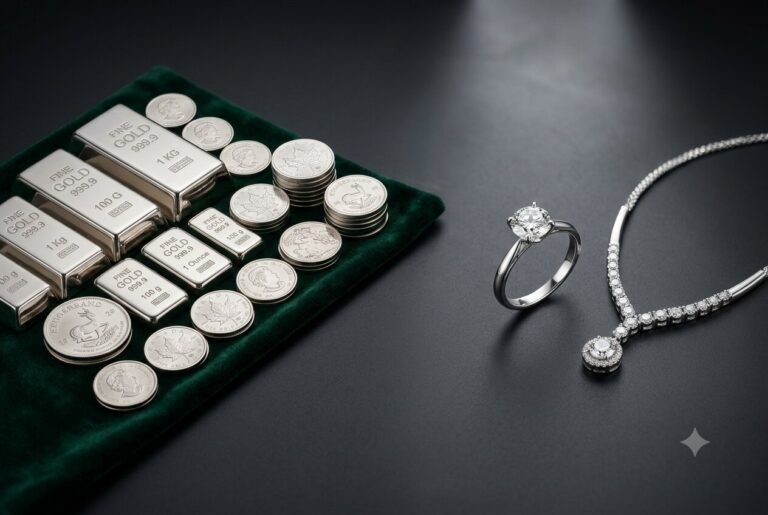
How to Store Silver at Home: The Ultimate Safe Vault Guide

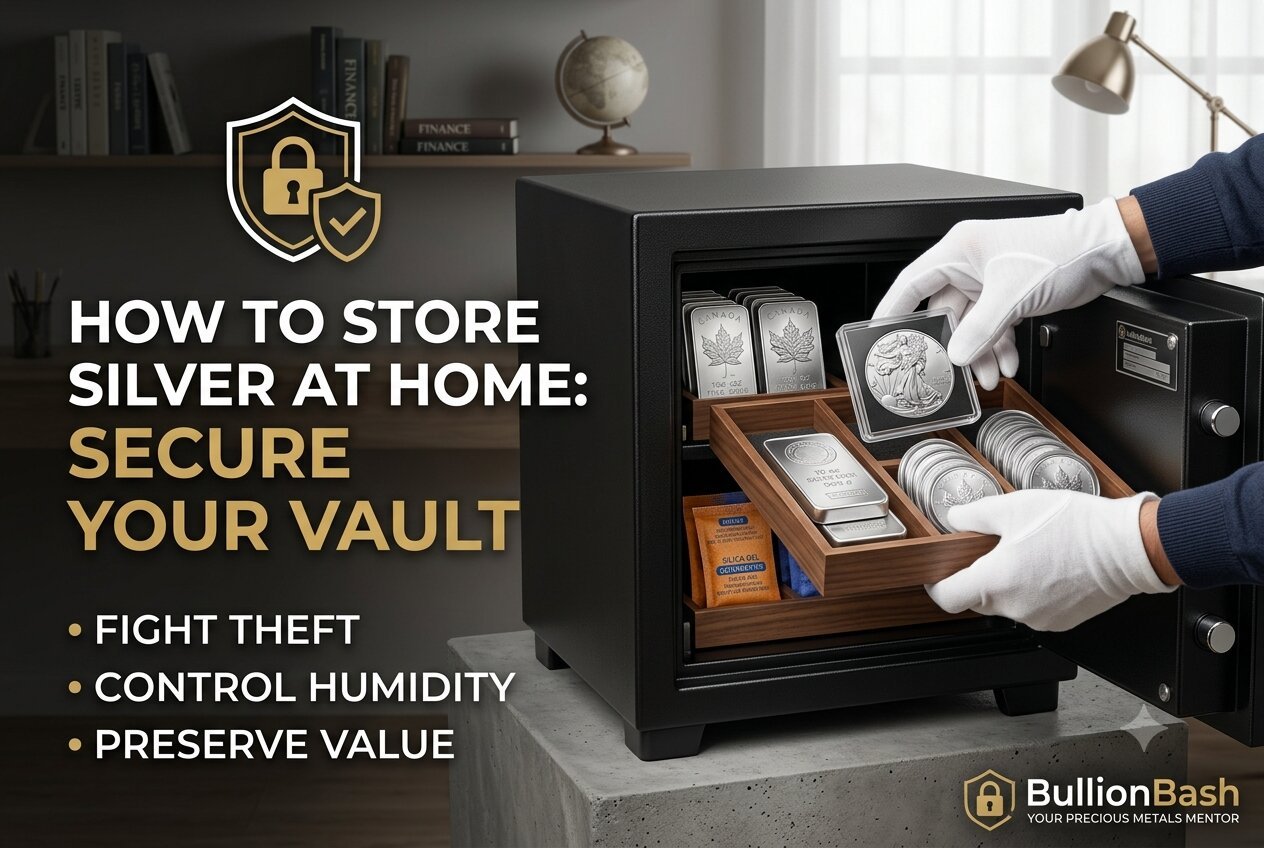
You’ve spent hundreds or thousands of dollars building up your shiny stack of precious metals, but now a cold spike of anxiety hits you: Where on earth do I put it? Leaving your physical wealth in a sock drawer or an easily rollable document box is practically an open invitation for thieves or environmental damage to wipe out your hard work.
If you want to eliminate that worry and learn how to store silver at home like a seasoned sovereign investor, you are in the right place. Protecting your physical wealth requires a mix of absolute secrecy, environmental control, and heavy-duty hardware.
The Two Enemies of Home Silver Storage
When you bring physical bullion into your house, you are immediately at war with two distinct threats: theft and environmental degradation. While gold is incredibly stable and won’t tarnish even if buried in mud, silver is highly reactive to its surroundings.
Improper storage doesn’t just look bad; it can lead to heavy oxidation that strips away the premium appeal and collector market value of your coins and bars. Therefore, an effective home storage strategy must address both physical security and chemical preservation to guarantee your long-term investment safety.
1. Choosing the Right Safe (Physical Security)
The foundation of home storage is a high-quality, heavy safe. Do not buy a cheap $50 digital safe from a local department store; a thief can crack those open with a simple crowbar or carry the entire box away in under two minutes.
Look for TL Ratings and Fire Protection
Invest in a safe that features an Underwriters Laboratories (UL) rating, specifically looking for a Residential Security Container (RSC) rating or higher. Ensure the safe weighs at least 150–200 pounds empty, and bolt it directly into the concrete foundation of your home.
The Diversification Strategy: Dummy Safes
A highly effective tactic used by experienced stackers is the “decoy safe” method. Place a cheap, easily findable safe in a master bedroom closet containing a few low-value items or expired documents, while your true silver stack is heavily concealed elsewhere.
2. Controlling the Environment (Chemical Safety)
Silver tarnishes when exposed to sulfur compounds and high humidity in the air. If you live in a humid coastal area, simply leaving your silver exposed on a shelf will turn it black within months.
Say No to PVC Plastic
Never store your silver coins or bars in cheap plastic bags or sandwich wraps. These contain polyvinyl chloride (PVC), which breaks down over time and releases acidic gases that permanently pit, corrode, and destroy the surface of your silver.
Use Silica Gel Packs and Airtight Capsules
Always slide individual 1 oz coins into hard, PVC-free acrylic capsules. When stacking these inside your main safe, toss in several reusable silica gel dehumidifier packs to aggressively absorb any ambient moisture trapped inside the heavy steel walls.
Pro-Tip: The Midnight Shovel Rule
If you decide to bury a portion of your silver stack in the backyard as a extreme backup plan, never use metal ammunition cans. Instead, use a heavy-duty, threaded PVC pipe sealed tightly with plumbing cement at both ends, and bury it vertically so it presents a much smaller target profile for anyone scanning the ground with a metal detector.
Comparison: Home Safe Options for Precious Metals
To help you choose the right physical barrier, look at how different home storage containers hold up under pressure:
| Safe Type | Theft Resistance | Environmental Protection | Ideal For |
| Cheap Department Safe | Very Low (Easily pried open) | Low (No airtight seal) | Documents only; Do not use for silver |
| UL-Rated Heavy RSC Safe | High (Heavy steel, active bolts) | Medium (Requires silica packs) | Your core 1 oz coins and bar portfolio |
| Concealed Wall/Floor Safe | Very High (Hidden from sight) | Medium (Slight moisture risk) | Long-term, permanent stack storage |
The Golden Law of Stacking: Loose Lips Sink Ships
The absolute best security system in the world is silence. No one can rob your home vault if no one knows it exists.
Avoid the temptation to show off your new silver bars on social media networks or tell your extended family about your growing collection. Keep your wealth completely private, treat your stacking as a confidential business venture, and your investment will remain safe for decades.
Frequently Asked Questions
1. Can I store my silver bullion alongside my gold bullion?
Yes, you can store them in the same safe. However, make sure they don’t scratch each other; always keep your silver individually wrapped or capsuled, as gold is a much softer metal and can easily sustain surface marks if the metals clash. Note that precious metals purity is tracked on different scales, so don’t confuse your 99.9% pure silver with high-purity gold karats.
2. Is a bank safety deposit box better than storing silver at home?
While a bank offers elite physical security, it defeats the purpose of having emergency, counterparty-free wealth immediately accessible to you. Additionally, safety deposit boxes are rarely insured by banks against natural disasters or unexpected vault closures.
3. How often should I change the silica gel packs in my safe?
It depends on your local climate, but a good rule of thumb is to check and regenerate (bake out the moisture) or replace your silica packs once every 6 months to ensure maximum humidity protection.
4. Will hiding silver in the refrigerator or freezer protect it?
No. Refrigerators and freezers are incredibly high-humidity environments that speed up the tarnishing and chemical oxidation process. Stick to a cool, dry, and dark closet or floor safe instead.
Secure Your Financial Future Today
Knowing how to protect your physical metal is just as crucial as buying it at the right price. By securing a heavy safe, keeping humidity at bay, and practicing total operational security, your collection will remain pristine and liquid whenever you decide to sell.
Now that your security blueprint is set up, make sure you aren’t accidentally damaging your metals during routine inspections. Check out our expert guide on “Silver Coins and Silver Bars: Which Is Best for Your Vault?“ to optimize your next big bullion purchase!